

A large contract is signed by an industrial manufacturer. While the demands for production have grown, the plant does not have an increase in flooring or experienced workers. While adding another shift might temporarily improve the situation, it may also bring new labor, supervision, training and quality-control needs.
These situations reveal a very significant reason to use robotics automation. Robotics does not only replace people with machines. When used in the right way it can transform the way manufacturers use the production capacity they have.
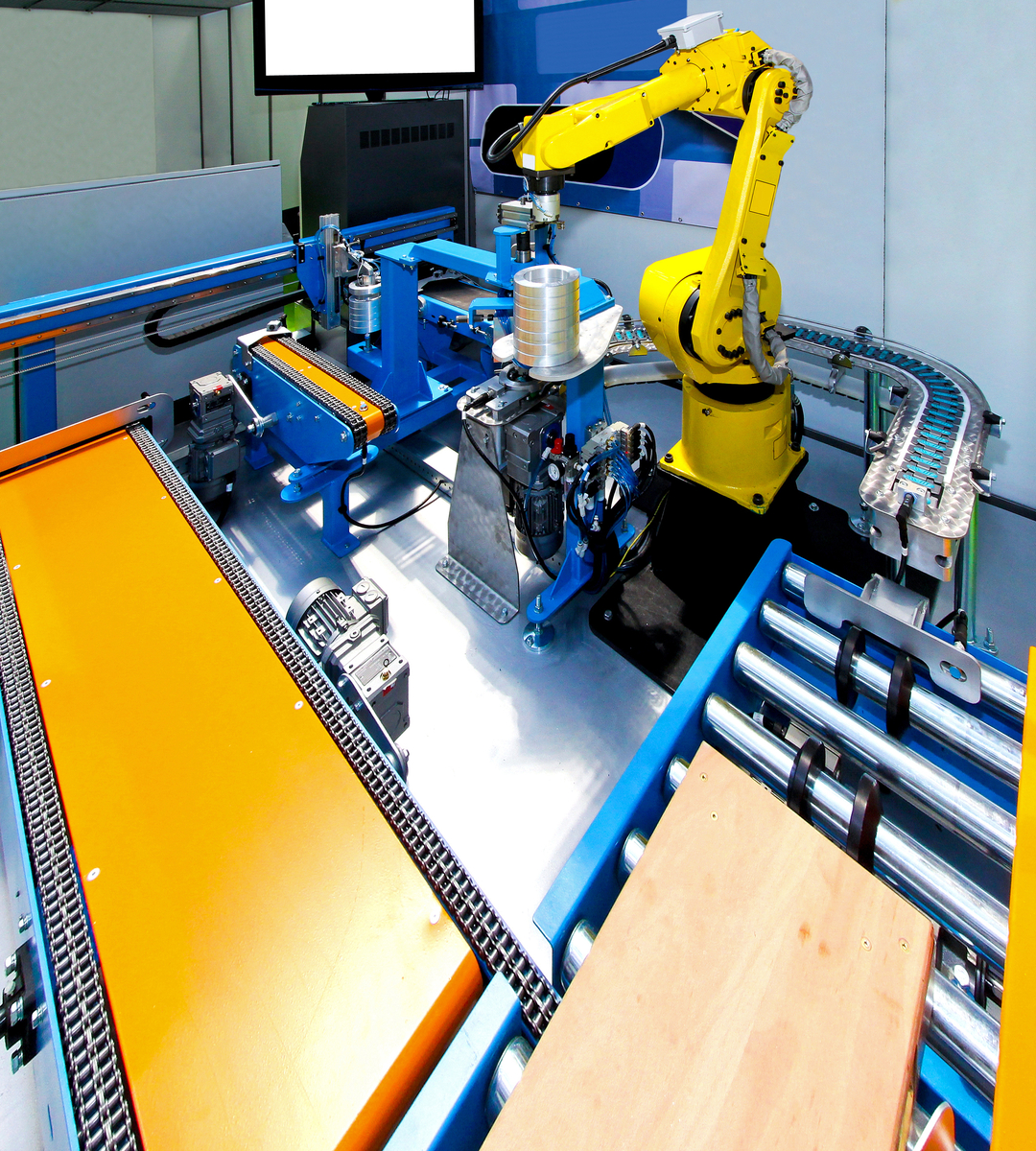
Image credit: automatedsolutions.com.au
Examine the Seconds That Aren’t able to be found between the products
Inefficient manufacturing is not always obvious. A worker may take 15 seconds positioning the component, then 10 seconds applying materials, and a couple of seconds moving it to the next step. For a single component, it’s a small difference. When repeated thousands of times the seconds could increase production by a significant amount.
This is also true of wasted material. The addition of a tiny amount of extra coating or dispensing substances across a large production run could result in an enormous expense.
Companies considering robotic automation Australia projects can benefit from examining these small, repeated losses before deciding what equipment they need. ASA’s analysis of requirements is designed to reveal bottlenecks and quality issues as in addition to the waste that can be a problem in a plan.
The robot should fit the procedure around it.
The choice of a robot is just one of the engineering decisions. The system may also need tooling, guarding, controls, sensors fixtures, conveyors, electrical integration, and communication with the existing production equipment. Engineers should take into consideration the payload, reach and range as well as how the robot is going to move and interact with the environment.
ASA’s approach for FANUC robot automation is based on conceptual development and design, CAD Simulation, and offline programming. Engineers can investigate system configurations and estimate cycle times before the system is finally installed on the floor of the factory. It’s particularly useful when there’s a finite amount of space, or when the new robotics requires integration with a production line.
Painting and dispensing show why Repeatability Matters
Controlled movement is essential in some manufacturing processes. Imagine applying a coating to hundreds of parts. Making components faster is the goal. From the start of production to the end all the movements, speed, distance and application must be managed.
ASA is a team of experts working with dispensing applications and paint across all industries, including aeronautics and automobile. Industrial robotics automation in these areas can allow for repeatable movements as well as limiting the exposure of workers to physical demanding processes or processes that could be dangerous.
A better management of waste materials can also contribute to productivity improvements by decreasing the amount of unneeded material consumed.
Even after installation, the system still requires individuals
Automation does not eliminate the need for manufacturing knowledge. Automation can alter the capabilities needed to operate and maintain the manufacturing process.
Employees need to know how to operate equipment in a safe manner and recognize any abnormalities to identify faults, fix them, and carry out the correct maintenance. Production requirements may also change, meaning the processes and programs could require adjustment later.
ASA offers training on site that covers safe operation, programming, troubleshooting, and mechanical and electrical maintenance. The company provides ongoing maintenance and services to ensure that the equipment is in good working order and wear and tear issues are dealt with.
Capacity is more than working more quickly
In Australia, increasing capacity for production does not necessarily mean hiring more workers for repetitive tasks or purchasing larger buildings. It’s sometimes more beneficial to ask if the production procedure could be altered.
ASA has been designing and integration of automation solutions since 2002. It supports the manufacturing industry in Australia, as well as international projects. Its methodology combines analysis of needs with engineering, simulations FANUC robotic integration and training and also servicing.
Automation is not the goal. A system that is worth the gold it’s worth will offer tangible benefits to the manufacturer, like more reliable production, better quality process, more secure processes and less waste.